Description

Working Process
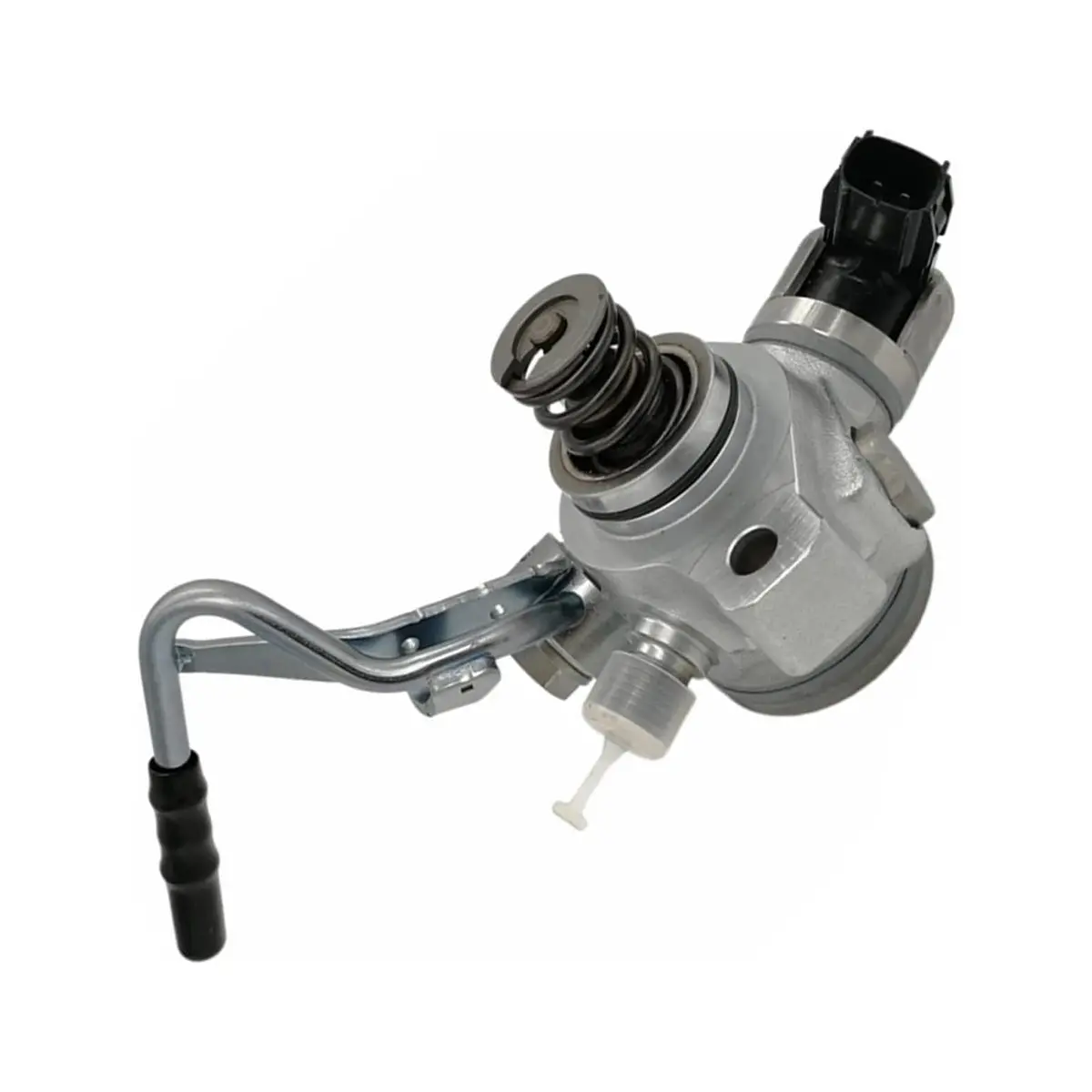
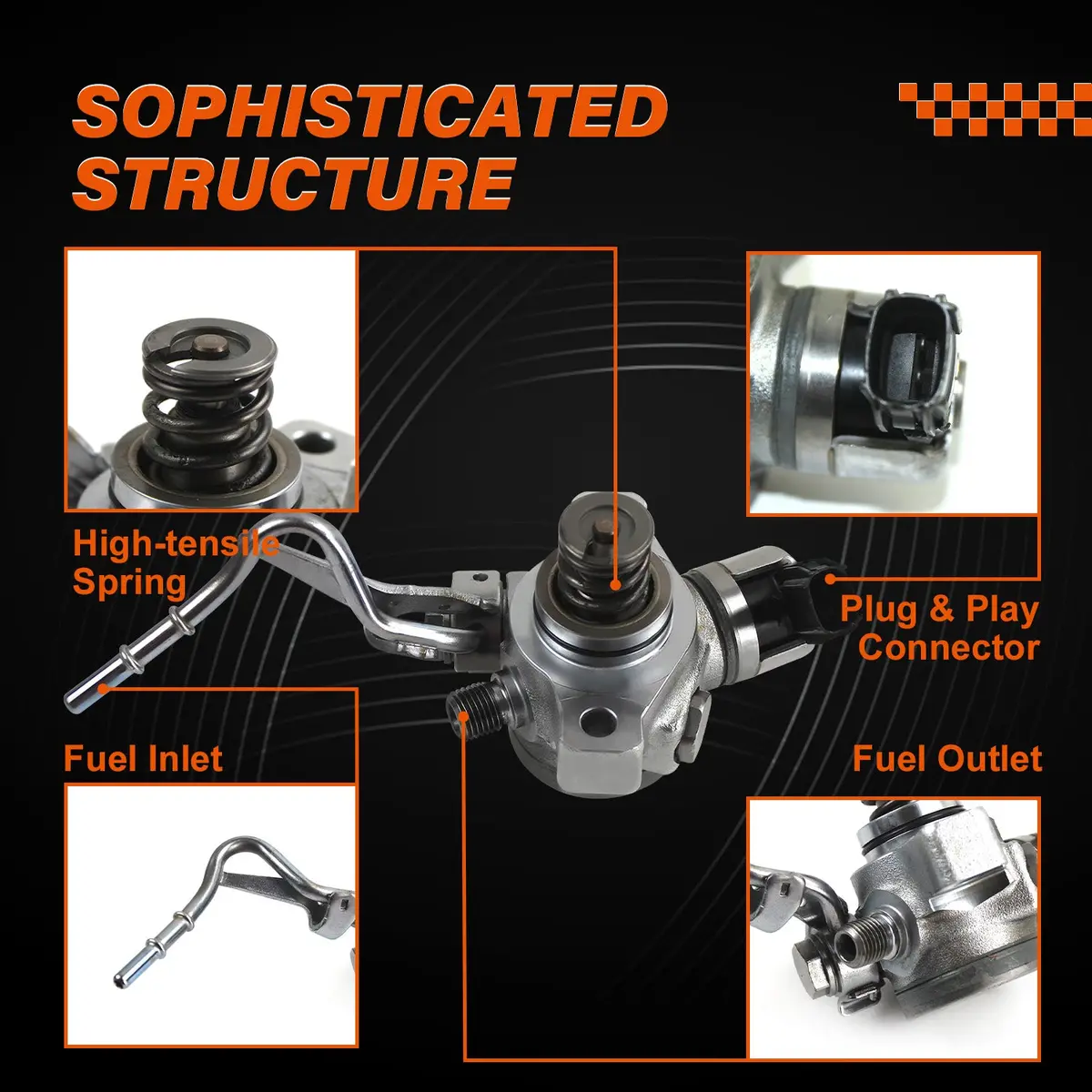
Fuel enters the fuel pump from the fuel tank. After filtration, fuel then enters the motor assembly, where an electric motor drives a rotor that creates a pumping action. As the rotor turns, it creates a low pressure area that draws fuel through the pump and into the engine. The fuel then exits the outlet and is delivered to the fuel rail, which distributes the fuel to the engine’s cylinders. The electric fuel pump also includes a fuel level sender unit, which provides the ECM with information about the fuel level in the tank. Then the ECM can optimize fuel delivery, ensuring that the engine receives the right amount of fuel at all times. 
Distinctive Inlet Design
In the fuel system of this Hona fuel pump, the pump lever is located near the inlet, since this is where the pump draws fuel from. As the lever is moved back and forth via camshaft drive, it actuates the diaphragm, creating a pumping action that moves fuel through the pump and into the engine. Besides, it is designed with a strainer located at the inlet, which serves to filter out any debris or contaminants that may be present in the fuel tank. This helps to ensure that only clean, filtered fuel is delivered to the engine, which can improve engine performance, fuel efficiency, and overall reliability.
Maintenance Tips
- Replace the fuel filter: The fuel filter helps remove contaminants from the fuel before it enters the fuel pump. Over time, the filter can become clogged, which can put additional strain on the fuel pump. It is recommended to replace the fuel filter every 30,000 to 40,000 miles.
- Use high-quality fuel: Low-quality fuel can contain contaminants that can damage the fuel pump. It is important to use high-quality fuel from a reputable gas station to help protect the fuel system.
- Avoid running the fuel level too low: Running the fuel level too low can cause the fuel pump to overheat and work harder, which can reduce its lifespan. It is recommended to keep the fuel level above a quarter tank to help prevent damage to the fuel pump.
- Regularly inspect the fuel system: Inspecting the fuel system, including the fuel lines and connections, can help identify potential problems before they become more serious.
- Check for leaks: Fuel leaks can damage the fuel pump and other components in the fuel system. It is important to check for leaks and have them repaired as soon as possible.
- Have the fuel pump inspected: Regularly having the fuel pump inspected by a qualified mechanic can help identify potential problems before they become more serious.
How to Replace
1. Disconnect the fuel pump relay and allow the engine to run until it stalls to ensure that the vehicle is properly supported and that the fuel system is depressurized.
2. Locate the fuel pump inside or outside the tank, and remove the old fuel pump.
3. Fill the new fuel pump with fuel, and then install it.
4. Tightly and securely connect fuel lines to the new fuel pump.
5. Connect the fuel pump to the vehicle’s wiring harness or to a separate electrical supply.
6. Test the fuel pump. Turn the ignition key to the “on” position and listen for the fuel pump to prime. Check the fuel pressure using a fuel pressure gauge.
7. Reinstall components that were removed during the installation process.
Explore more from our collection.
Reviews
There are no reviews yet.